Current group members
Principal Investigator
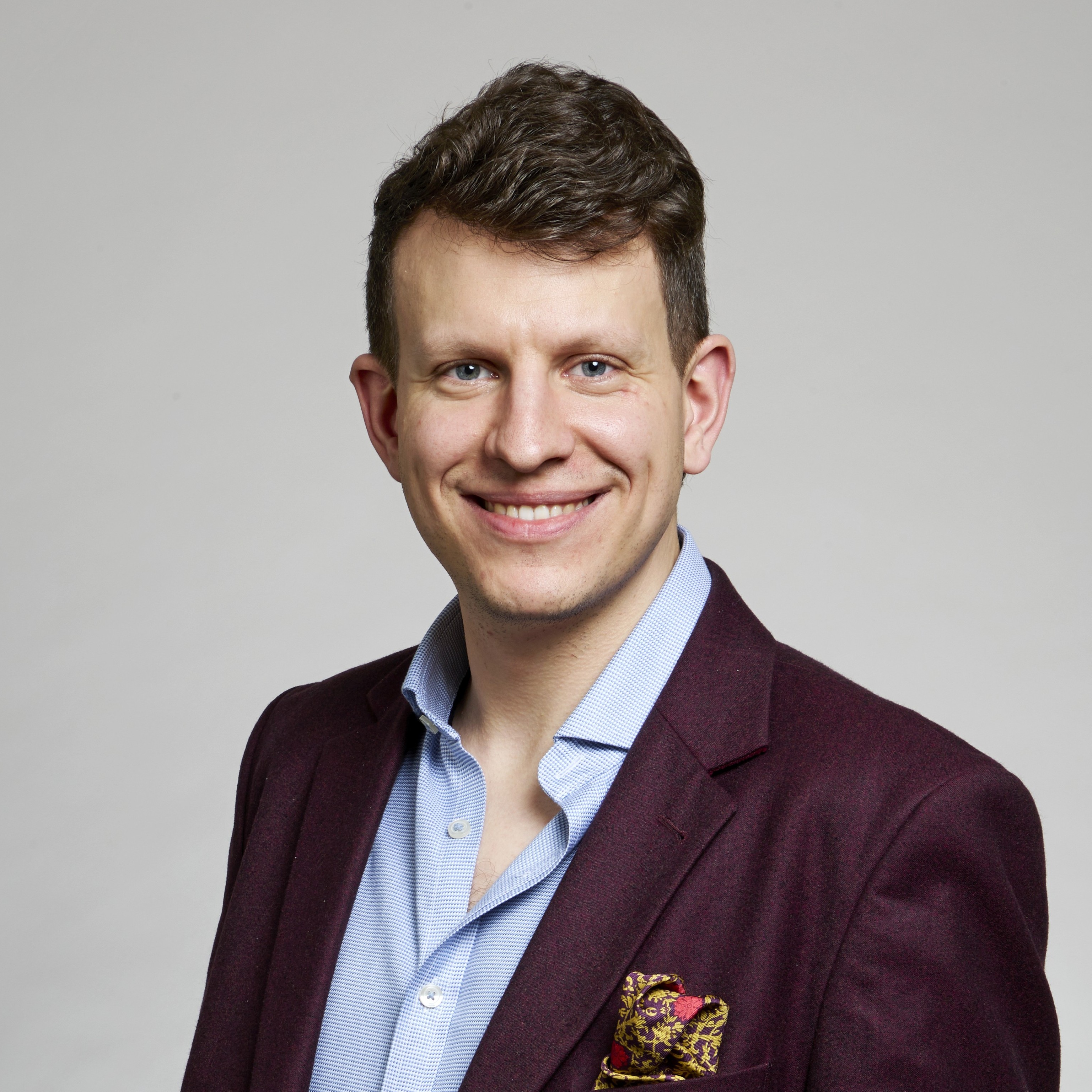
Dr Filip Szczypiński 
Royal Society University Research Fellow (2025 - now)
Assistant Professor of Chemistry Automation (proleptic)
Filip Szczypiński is a Royal Society University Research Fellow and Assistant Professor of Chemistry Automation at Durham University, which he joined in 2025. He studied Natural Sciences at the University of Cambridge, where he investigated host–guest interactions in the group of Prof. Jonathan Nitschke. He stayed on at Cambridge for his PhD with Prof. Chris Hunter FRS, exploring molecular recognition through programmed hydrogen-bonding interactions. He then held postdoctoral positions in computational chemistry at Imperial College London (with Prof. Kim Jelfs) and in robotic chemistry at the University of Liverpool (with Prof. Andy Cooper FRS).
Filip’s research combines laboratory automation, high-throughput experimentation, and data-driven approaches to accelerate the discovery and development of functional molecules and materials. His main focus is on bridging computational design with experimental execution, particularly in supramolecular and physical organic chemistry. He has contributed to the development of autonomous robotic platforms for chemical synthesis, moving beyond reaction optimisation toward the discovery of previously unknown molecules.
Outside the lab, Filip enjoys travelling, food (eating, cooking, growing), and wine. He has been seen organising tasting sessions, giving talks on wine chemistry, and competing in blind wine tasting around the world.
PhD students
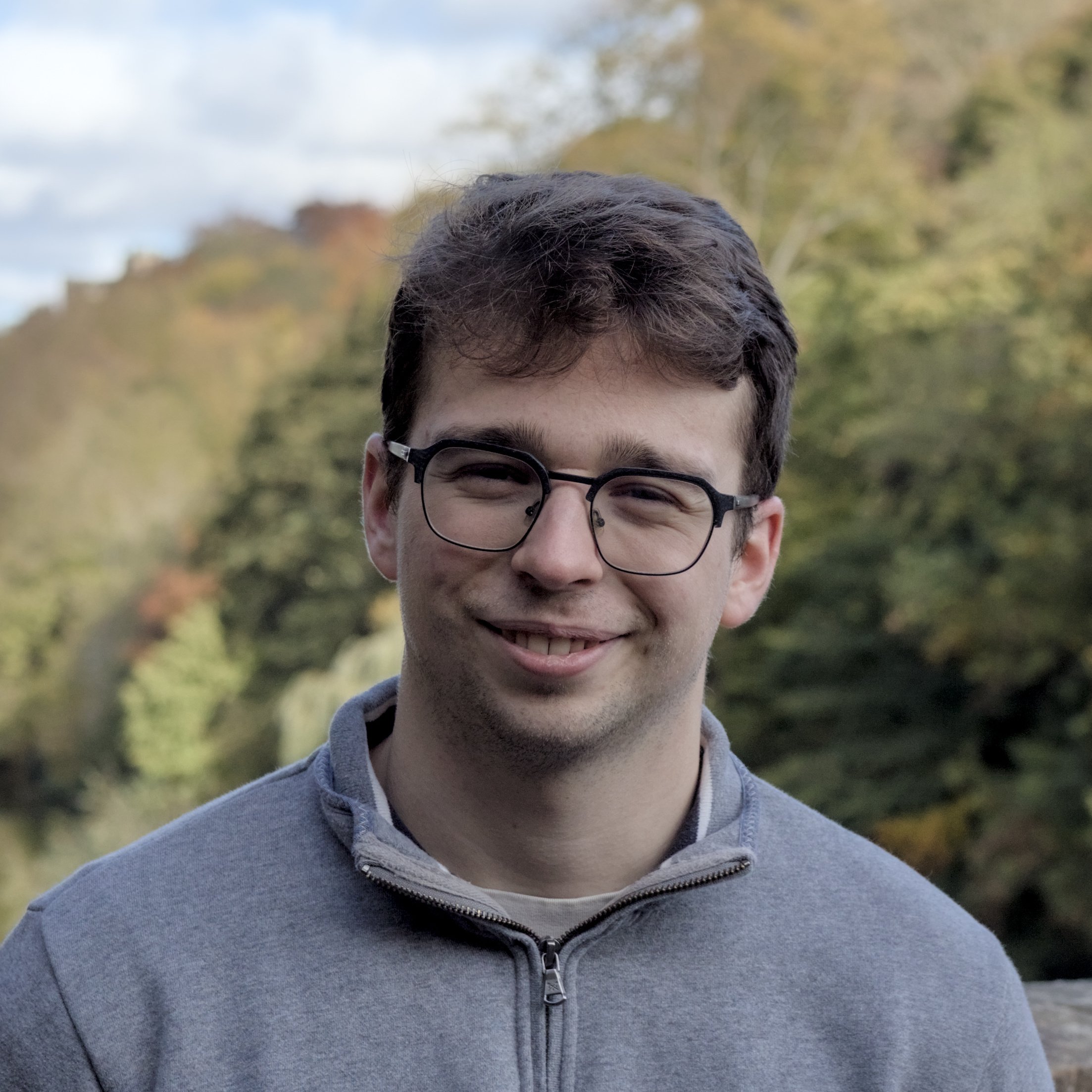
Tom Richards
Master of Chemistry (2025)
Tom joined the Szczypiński Group after completing his MChem degree at the University of Liverpool, where his Master’s research focused on the design of heterogeneous photocatalysts. He gained industrial experience at AstraZeneca within the Oncology Chemistry team, where he developed workflows for late-stage functionalisation. Tom also undertook an international research internship in the Chavasiri Group at Chulalongkorn University, Bangkok, where he explored natural product chemistry.
His research interests include organic synthesis, chemical automation, and supramolecular chemistry. Outside the lab, Tom enjoys kickboxing, travelling, and socialising with friends.
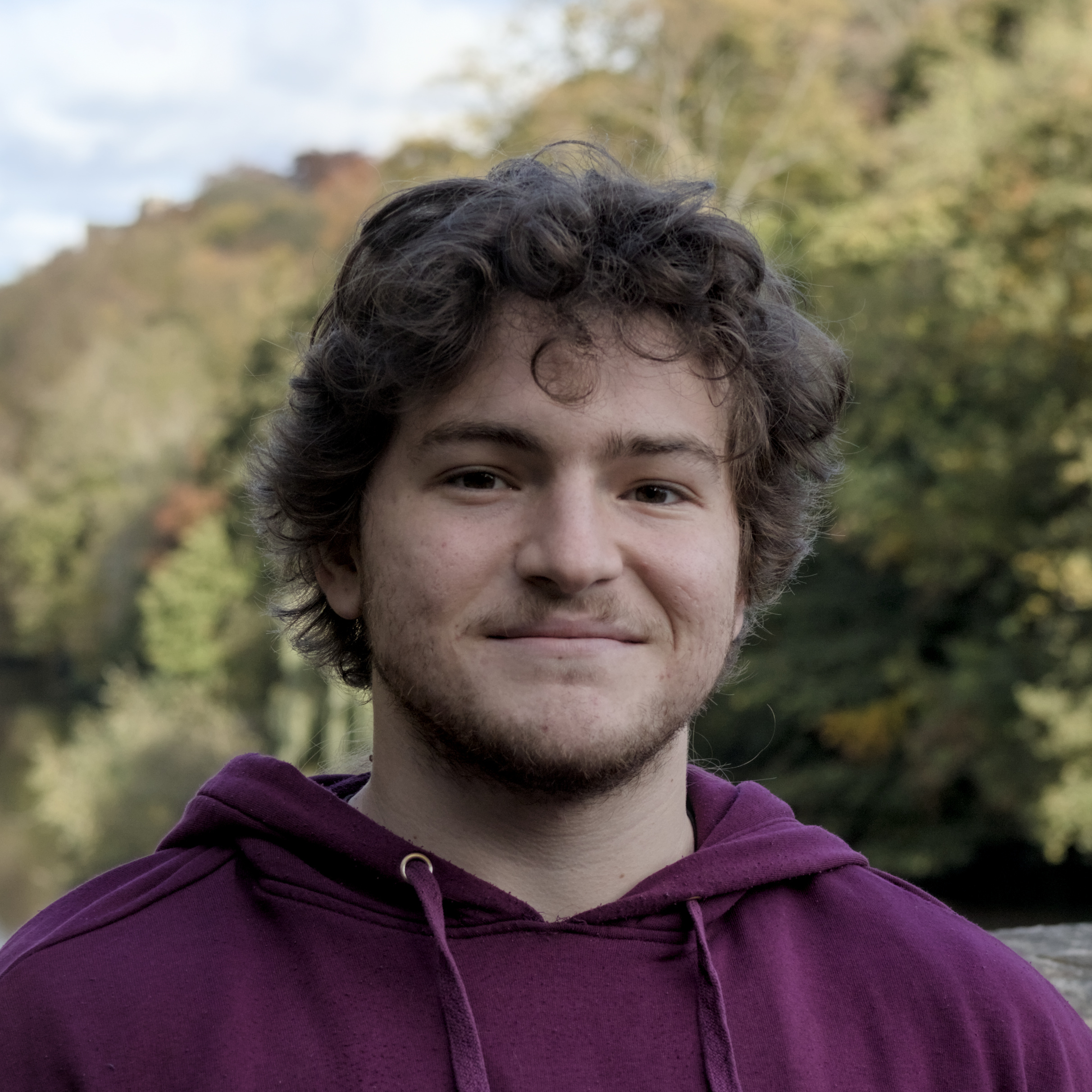
Pierre-Louis Valero
Master of Chemistry (2024)
Master of Science in Computer Science (2025)
Pierre-Louis completed both his Chemistry and Computer Science degrees at Newcastle University. His master thesis in Chemistry revolved around a reaction-based design workflow for NLRP3 inhibitors to ensure computationally generated molecules were synthetically feasible. His thesis in computer science revolved around the automation of NMR spectra interpretation using pretrained BERT models to characterise molecules robustly. Both research projects directed him towards automation chemistry and the optimisation of chemical processes, and eventually to this group.
His research interests lie in automation of chemical processes (robots!) as well as automation of data analysis, and more precisely deconvolution of complex spectra with overlapping signals to characterise ratios of different mixtures or unknown products. In parallel to his chemistry degree, Pierre worked at Nanovery part-time for 2 years as an intern, a start-up focused on the development of Nucleic Acid Nanorobots. Outside of working, Pierre enjoy powerlifting, armwrestling, hiking and various obscure French spirits.
Visiting students
Ryan Thorpe
Ryan Thorpe is an incoming 4th-year MChem student at Durham University. Currently, he is conducting research in the Szczypiński group as a summer placement student, funded by The Royal Society. His project focuses on automating the synthesis and analysis of chemical receptors using high-throughput and machine-learning techniques to accelerate chemical discovery. In his spare time, he enjoys playing badminton, going on runs or walks in nature, and weightlifting.

Lu Wang
Lu Wang is a visiting undergraduate student from The Hong Kong Polytechnic University, currently undertaking a research project in the Szczypiński group. Her project focuses on developing fluorescent sensor arrays based on boronic acid-functionalised fluorophores for the recognition and classification of flavonoids and other polyphenolic compounds, starting with the discrimination of flavonoids in red wine. In her free time, she enjoys playing mahjong, listening to rap music, watching TV shows, and video gaming.